


Contacts 2026
4.2179.00 Reviews
App Specs
- Version
- 2.6
- Updated On
- License
- Free
- Downloads
- 500,000+
- Developer
- Paloleum apps
- Categories
- Communication
- Platform
- Android
Screenshots
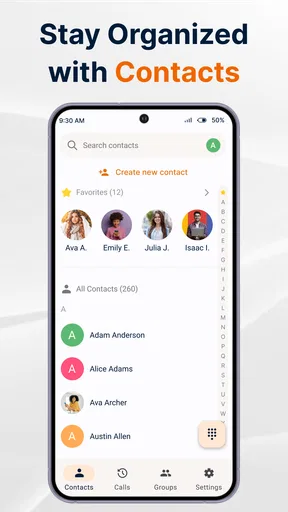
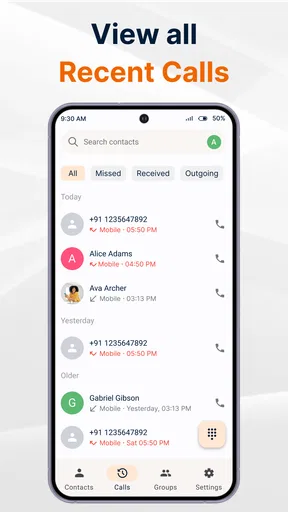
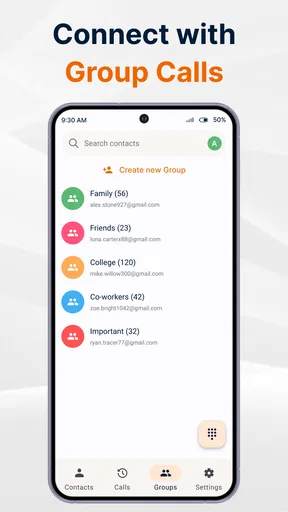
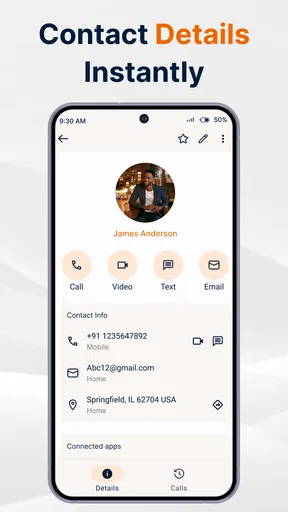
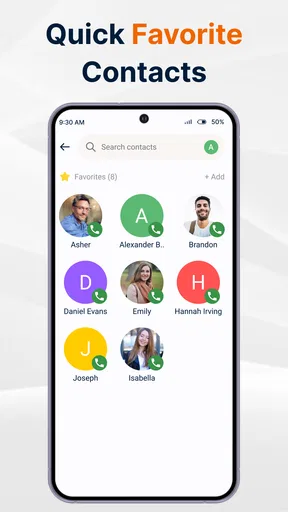
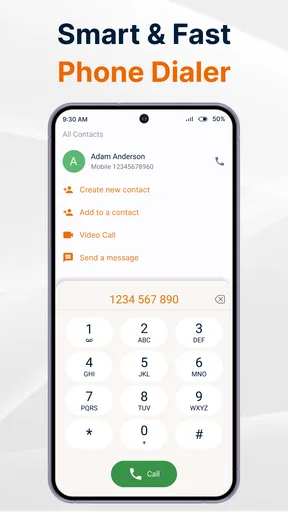
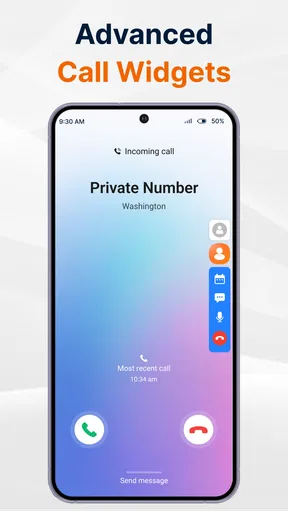
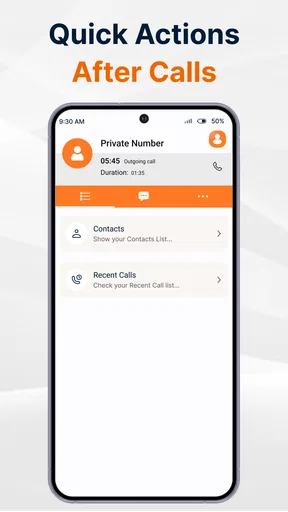
 Analysis by AppCompare
When I first open a contacts app, I want one simple thing: to find the right person quickly without having to rethink how my phonebook works. Contacts 2026 is a free communication app from Paloleum apps that focuses on contacts, recent calls, caller identification, and dialing. It is aimed at people who want those everyday phone tasks close at hand, rather than a large suite of messaging or social features.
What to expect from a focused phonebook app
The appeal here is straightforward: a more direct route from opening the app to looking up a person or placing a call. That focus can suit someone whose built-in phone app feels cluttered, or who often switches between the contact list and recent calls. It is less compelling if you are hoping for a broad personal-information manager with calendars, notes, or elaborate address-book tools.
As a communication app, it sits in a familiar space alongside the contacts and dialer apps already found on many phones. Its usefulness depends less on novelty than on whether its layout and calling workflow feel comfortable to you. I would treat it as an alternative interface for everyday contact access, not as a reason to assume your existing phonebook will be reorganized or backed up in a particular way.
The app is rated for Everyone, and it has an average rating of 3.7 from around 2.6 thousand ratings, with roughly 126 written reviews. It has been installed over 500 thousand times. Those figures offer a sense of its audience, but they do not tell you whether it will fit your own device or calling habits; that comes down to trying the basic tasks you rely on.
Getting Started with Contacts 2026
Once you download and fire up Contacts 2026, you're greeted with a clean and intuitive interface. It's like the app just knows what you want from the get-go. Setting it up is a breeze, and you can sync it with your existing contacts in no time. The app supports both Android and iOS, so you're covered no matter what device you're using.
One of the first things you'll notice is how smooth everything runs. I mean, no lag, no hiccups—just pure, seamless navigation through your contacts. It’s like the app is reading your mind, anticipating what you need next. And the best part? It's all done in a way that feels natural and effortless.
First setup: start with one useful check
For a first-time user, the most reassuring way to begin is to test a small, familiar task before relying on the app for an important call. Open a contact you know well, check that the details you expect are visible, and try reaching that person through the app. This gives you a practical sense of how it handles your everyday phonebook without requiring you to change your habits all at once.
Worth Reading Before You Choose

EA SPORTS FC Mobile 26 Is a Bigger Football Game, but It Takes Time

Flipboard Shows What News Apps Must Do Beyond the Feed

Switching to Android Auto Means Rethinking Your Driving Routine

Google Calendar Makes a Crowded Week Easier to Manage

Ludo King Makes the Most of the Minutes Between Plans

Baby Panda World Brings Quick Play to Modern Phones, but Its Game Library Feels Busy
Contacts and call-history access are central to the experience, so pay attention to what the app asks to access during setup and make choices that match your comfort level. If you decline access that a particular action needs, that action may not work as expected. I would avoid granting access automatically just to get through the first screen; it is better to understand which part of the app you are trying to use and decide accordingly.
It is also sensible to keep your phone’s usual contacts or calling option in mind while you test. That way, you have a familiar fallback if the app does not behave the way you prefer. A short trial with a few routine contacts is more useful than immediately making a new app the only route to everyone in your address book.
Features That Stand Out
Now, let’s dive into what makes this app a must-have. The standout feature for me is the smart organization. It automatically sorts your contacts into categories like family, work, and friends. You can also create custom groups, which is a lifesaver if you’re juggling multiple projects or social circles.
Another cool thing is the in-app caller ID. It’s like having a bouncer at the door, letting you know exactly who's calling before you pick up. No more guessing games or awkward "who's this?" moments.
And let’s not forget about the backup feature. With Contacts 2026, your contacts are always safe and secure. The app offers cloud backup options, so you can rest easy knowing your data won’t just vanish into thin air. Trust me, I’ve been there, and it’s not fun!
Your first successful call, and what to learn from it
A useful first success is not merely opening the address book; it is finding one person and completing the action you opened the app for. For example, if you are about to call a neighbour about a delivery, search for their name, confirm you have the right entry, and place the call. That small test lets you judge the core flow in a real situation, when speed and clarity matter more than exploring every screen.
Caller identification can be helpful when a call arrives while you are busy, but it should be treated as a clue rather than a guarantee of who is on the other end. If a name or number is unfamiliar, use your own judgement before answering or returning the call. The practical benefit is having more context at a glance, not a substitute for caution.
The recent-calls element is especially useful when you need to act on a call you just missed. A simple workflow is to check the recent list, match the entry against a saved contact where possible, and then call back from there. This avoids the common mistake of trying to remember a number while switching between apps. If the number is unfamiliar, decide whether returning it makes sense instead of treating every missed call as urgent.
Common confusion: contacts, groups, and backups
One point worth keeping clear is the difference between seeing a contact in an app and knowing where that contact is stored or synchronized. A familiar name appearing on screen does not by itself tell you how it will behave if you change phones or remove an app. Before depending on a backup, look at the backup choices offered in the app and make sure you understand which account or destination you are using.
The original phonebook remains important. If you already use a device’s built-in contacts service or another account to keep names and numbers in sync, avoid making broad changes until you know how the arrangement works on your device. A cautious approach is to test with a contact you can easily verify, then check that the same details remain available through the usual route you use. This is a more reliable safeguard than assuming that installing a new contacts app automatically creates a complete independent copy.
Groups can help when you regularly call distinct sets of people, such as relatives, clients, or teammates. They are less useful if you create too many overlapping labels and then cannot remember which one to use. I would start with only the groups that solve a real lookup problem. A short, meaningful set is quicker to scan than a perfectly categorized phonebook that takes effort to maintain.
A Few Handy Tricks
So, here’s a pro tip: use the merge feature to eliminate duplicate contacts. It’s like magic, combining all those variations of the same person into one neat entry. You won’t believe how much cleaner your contact list will look.
Also, don’t sleep on the app’s search function. It’s lightning-fast and incredibly accurate. You can find a contact by typing just a few letters, and bam, you’re there. This feature has saved me countless times when I needed to find someone’s details in a hurry.
Small habits that make the address book easier to trust
Before merging duplicates, take a moment to compare the entries rather than assuming they are identical. Two cards with the same name may hold different numbers or other details, and combining them without checking could make the final entry harder to use. If you are unsure, leave them separate until you can confirm which information is current. Tidying up is helpful only when the result is still dependable.
Search is most useful when you use the detail you actually remember. If you know a person by a first name, try that first; if you have several people with that name, add another few letters or use the full name. When a search does not produce the result you expect, check for a different spelling or an alternate saved name before concluding that the contact is missing. This simple habit can prevent an unnecessary edit to your phonebook.
For people who make frequent calls, a practical routine is to use recent calls for immediate follow-ups and the contact list for planned calls. That division reduces the urge to keep searching the same names from scratch. It also makes it easier to notice when a number is not saved as a contact, so you can decide whether it deserves an entry rather than adding every unfamiliar caller to your address book.
Who will appreciate it, and who may prefer another option
I can see this app working well for someone who makes regular calls, wants a clear route to saved people, and likes the idea of keeping contact lookup and recent calls close together. It may also suit a user who wants to test a different way of navigating a phonebook without paying to install it. The current version is 2.4, and it is free, so trying the core workflow does not require an upfront purchase.
On the other hand, if your phone’s built-in contacts and dialer already feel quick and familiar, moving to another interface may add little. People who depend on a specific account-based sync setup should prioritize checking how their existing contacts are maintained before changing their routine. And if you want advanced contact management, detailed customization, or a single app that handles much more than calling and lookup, a broader alternative may suit you better.
Compared with the usual built-in phone app, the potential advantage is a different presentation of contact access and calling tasks; the trade-off is another app to learn and assess. Compared with a specialized contact manager, a focused app can feel simpler, but may not satisfy someone looking for extensive tools. I would choose based on the task that currently frustrates you: if it is finding and calling people, try this workflow; if it is managing a complicated contact database, compare options designed for that deeper job.
Compatibility and a sensible next step
The app was released on May 6, 2025, and the stated minimum operating-system requirement is version 7.0. Before installing, check that your device meets that requirement and that the app is available for the device you intend to use. The listing identifies it as an Android app, so I would not assume that the same app is available on iOS just because a phonebook task exists on both platforms.
After the first test call, the next step is to try one or two routines you genuinely repeat: locating a family member, calling back someone from recent calls, or organizing a small group you contact often. If those actions feel clearer than they do in your current setup, keep exploring gradually. If you find yourself switching back to the built-in dialer or struggling to locate familiar details, there is no need to force a change.
Final Thoughts
Wrapping it all up, Contacts 2026 is a game-changer. It takes the hassle out of managing your contacts, adds a layer of sophistication, and keeps everything organized and accessible. Whether you're a social butterfly or someone who just wants a tidy phonebook, this app has got your back.
So, if you haven’t already, give it a try. It’s available for both Android and iOS, and I promise, once you start using it, you’ll wonder how you ever lived without it.
My recommendation is more measured: give it a short, practical trial if you want a different way to reach saved contacts and handle recent calls. Keep your existing contact routine available while you learn what the app does on your device, especially before relying on any backup or organization changes. If the first few real calls feel straightforward, it may earn a place in your daily routine; if not, your phone’s familiar contacts app may remain the better fit.
Pros
- User-friendly interface for easy navigation.
- Robust contact organization features.
- Seamless integration with other apps.
- Advanced search functionality.
- Customizable contact fields.
Cons
- Limited cloud storage options.
- Occasional sync delays.
- Ads in the free version.
- No dark mode available.
- Requires frequent updates.
FAQs for Contacts 2026
What features does Contacts 2026 offer that set it apart from other contact management apps?
Contacts 2026 offers a unique blend of features including AI-powered contact suggestions, seamless integration with social media profiles, and a robust tagging system for organizing contacts. Additionally, it supports cloud synchronization, ensuring your contact list is updated across all your devices. These features make it a standout choice for both personal and professional use.
Is Contacts 2026 available on both Android and iOS platforms?
Yes, Contacts 2026 is available for download on both Android and iOS platforms. The app is designed to offer a consistent user experience across different devices, allowing you to effortlessly manage your contacts whether you are using a smartphone, tablet, or any other compatible device.
Does Contacts 2026 have any in-app purchases or subscription fees?
Contacts 2026 offers a free version with a comprehensive set of features. However, for users seeking additional functionalities such as advanced analytics and premium support, there is a subscription plan available. This plan provides a more enriched experience, but the app remains fully functional at no cost for basic users.
How does Contacts 2026 ensure the privacy and security of my contact information?
Contacts 2026 prioritizes user privacy and data security by using end-to-end encryption for all data transmissions. It adheres to strict privacy policies and does not share your contact information with third parties without consent. Users can also enable two-factor authentication for an added layer of security.
Can I import my existing contacts from other apps into Contacts 2026?
Yes, Contacts 2026 supports importing contacts from a variety of sources, including Google Contacts, iCloud, and CSV files. The import process is straightforward and designed to help users quickly transition to the app without losing any existing contact information, ensuring a smooth setup experience.


